Meatballs the Spanish Way
Living in the heart of the best Mexican food in America, heavily influenced by Sonoran traditions, it’s easy to forget about the cuisine of its culinary cousin, Spain. When thinking about the humble meatball, it’s easy to picture Mexican albóndigas simmering in a fragrant broth, packed with rice and vegetables and served as a comforting soup.
But travel across the Atlantic, and you’ll find a very different version of the same beloved dish.
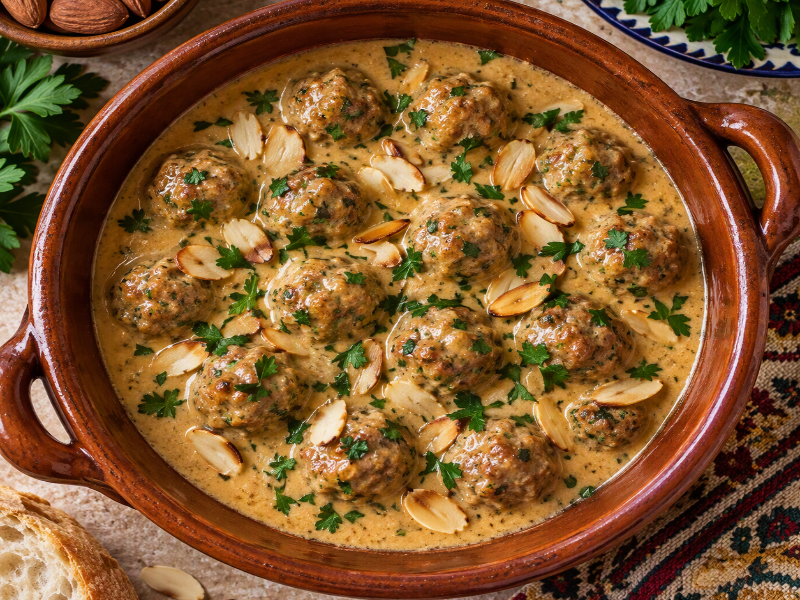
In Spain, albóndigas are a tapas staple. Rather than swimming in soup, they’re typically served in a cazuela, a shallow clay baking dish, nestled in a rich tomato sauce, almond sauce, or even a sherry-infused gravy. Diners spear them one at a time with a toothpick and enjoy them with a glass of wine, a cold beer, or a refreshing vermouth.
The word albóndiga reveals the dish’s fascinating history. It comes from the Arabic word al-bunduq, meaning hazelnut or small round object. During nearly 800 years of Moorish influence in Spain, from the 8th through 15th centuries, Arabic culinary traditions became deeply woven into Spanish cooking.
The Moors introduced ingredients and techniques remaining central to Spanish cuisine today, including almonds, citrus fruits, saffron, rice, and sophisticated spice combinations. Along with these came methods of seasoning and shaping minced meat into small balls, the ancestors of today’s albóndigas.
As Spanish explorers and settlers later crossed into the Americas, they brought these recipes with them. Over centuries, Spanish albóndigas evolved into the many regional meatball dishes found throughout Latin America, including the beloved Mexican albóndigas soup.
No discussion of Spanish albóndigas is complete without understanding tapas culture.
The origin of tapas is wrapped in folklore, but one of the most enduring stories involves King Alfonso X of Castile in the 13th century. Legend has it the king ordered taverns to serve small bites of food with wine to prevent patrons from drinking on an empty stomach. Another popular tale suggests a slice of bread or cured meat was used to cover a glass of wine, protecting it from flies. The Spanish verb tapar means to cover, giving rise to the word tapa.
Whatever their exact beginnings, tapas became an integral part of Spanish social life. Rather than sitting down to a large meal, friends and family gather in bars and cafés, sharing numerous small plates while enjoying conversation. The food is important, but the experience of lingering together is equally essential.
Where do I sign up for that?
Albóndigas fit perfectly into this tradition. Small, flavorful, and easy to share, they embody the spirit of casual hospitality making tapas so beloved.
The cazuela earthenware serving dish has been used throughout Spain for centuries. The clay vessel retains heat beautifully, keeping the meatballs warm throughout the meal. It also adds a rustic presentation connecting modern diners to generations of Spanish home cooks.
When a bubbling cazuela of albóndigas arrives at the table, accompanied by crusty bread for soaking up the sauce, it transforms a simple meatball into a memorable experience.
The next time you enjoy a bowl of Mexican albóndigas soup, consider the journey that dish has taken over centuries and across continents. From Moorish Spain to colonial Mexico, from tapas bars in Madrid to kitchens throughout the Southwest, the simple meatball tells a story of migration, adaptation, and shared culinary heritage.
I love exploring food connections between cultures. Spanish albóndigas remind us some of our favorite foods have traveled far, evolving with each generation while preserving a delicious link to their origins.
So grab a toothpick, gather some friends, and discover meatballs the Spanish way. Sometimes the most familiar foods have the most extraordinary stories.
Classes
Tuesday, December 8, 5-7 p.m. Bûche de Noël: Create Your Holiday Showstopper with Pastry Chef Pam Ruiz. Cost: $85.00 per person.
Few holiday desserts draw as many oohs, aahs, and rave reviews as the classic Bûche de Noël, or Yule Log Cake. Join Pastry Chef Pam Ruiz for a fun and festive evening as she takes the mystery out of creating this beautiful holiday centerpiece.
You’ll learn the techniques for assembling and decorating your own stunning Bûche de Noël, starting with a lightly spiced white cake with a raspberry filling and frosted with rich chocolate. Then comes the magical part: transforming your cake into a woodland-inspired masterpiece that looks just like a holiday log. Unleash your creativity with elegant garnishes including frosted cranberries, sugared rosemary, and whimsical meringue mushrooms.
Whether your style is rustic and natural or festive and elaborate, you’ll leave with a one-of-a-kind dessert that’s every bit as delicious as it is beautiful. You’ll take home a fully decorated Bûche de Noël to impress family and friends, techniques for rolling, filling, frosting, and decorating a Yule Log Cake, recipes, tips, and tricks from Chef Pam, and the confidence to recreate this holiday classic at home.
Sunday, December 13, 2-4 p.m. Desert Wonderland Holiday Tea at the Arizona Inn. Cost: $85.00 per person.
Get ready for one of the season’s most enchanting holiday traditions! Join us at the iconic Arizona Inn for a joyful afternoon tea surrounded by the Inn’s beautifully decorated Christmas trees, twinkling lights, and timeless charm. Gather your favorite people, slip into your holiday best, and reserve your spot for a celebration filled with sparkle, laughter, and seasonal magic.
Relax over a delightful assortment of sweet and savory tea treats, sip something warm and wonderful, and soak in the holiday glow of one of Tucson’s most beloved settings. Whether you’re continuing a cherished tradition or starting a brand new one, this festive afternoon promises merriment, memory making, and plenty of cheer.
And because the holidays deserve a touch of wonder, expect a few surprises along the way. Start planning your table now, this is one holiday experience you won’t want to miss.
Add the names of your guests, or those you’d like to sit with, to the notes section during registration, and we’ll make sure your table is set just right. Cocktails will be available for separate purchase to add a little extra holiday cheer to your afternoon.
Saturday, December 19, 10 a.m. – 2 p.m. Holiday Cookie Workshop: Mix, Bake & Celebrate with Pastry Chef Pam Ruiz. Cost: $135.00 per person.
Kick off the season with a cookie making celebration! Spend a merry, hands on afternoon with Pastry Chef Pam Ruiz as you mix, bake, decorate, and package a dazzling lineup of holiday treats — all the joy, none of the shopping, and absolutely no cleanup.
Whether you’re gearing up for family festivities, cookie exchanges, gift giving, or just filling your cookie tin to the brim, this workshop turns your holiday baking into pure fun. You’ll head home with 2 dozen of each cookie: Sonoran Red Velvet Crinkle, Vanilla Icebox, Almond Biscotti, Chocolate Mint Thumbprints, plus 4 dozen Cherry Rum Balls.
Taste as you go, learn Chef Pam’s favorite holiday baking tricks, and enjoy the festive buzz of baking together.
Just bring your containers and holiday spirit. We’ll supply the ingredients, the cheer, and the cookie magic.
Wishing you joy in the kitchen,
Michele
Albondigas in Almond Sauce
Yield: 4 servings as a main dish or 24 for tapas
Picada
¼ cup slivered almonds
1 slice hearty white bread, torn into 1-inch pieces
2 tablespoons extra-virgin olive oil
3 tablespoons flat-leaf parsley
2 garlic cloves, minced
1. Process almonds in a food processor until finely ground, about 20 seconds. Add bread and process until finely ground, about 15 seconds.
2. Transfer to a large skillet. Add oil and cook over medium heat, stirring often, until mixture is golden brown, 3-5 minutes. Transfer to a bowl. Stir in parsley and garlic and set aside.
3. Wipe skillet clean with paper towels.
Meatballs
1 slice hearty white bread, torn into 1-inch pieces
1 large egg
2 tablespoons water
2 tablespoons flat-leaf parsley, chopped and divided
2 garlic cloves, minced
1 teaspoon table salt
½ teaspoon freshly ground black pepper
1 lb. ground pork
1 tablespoon extra-virgin olive oil
½ cup yellow or white onion, finely chopped
½ teaspoon paprika
1 cup chicken broth
½ cup dry white wine
¼ teaspoon saffron threads, crumbled
1 teaspoon sherry vinegar
1. Process bread in empty food processor until finely ground, about 15 seconds. Add egg, water, 1 tablespoon parsley, garlic, salt, and pepper and process until forming a smooth paste, about 20 seconds. Scrape down sides as needed. Add pork and pulse until combined, about 5 times.
2. Remove processor blade and moisten hands. Using your hands, form generous 1 tablespoon meatballs and transfer to a plate. Repeat with remaining mixture.
3. Heat oil in skillet over medium heat until shimmering. Add onion and cook, stirring occasionally, 4-6 minutes. Add paprika and cook until fragrant, about 30 seconds. Add broth and wine and bring to a simmer. Stir in saffron. Add meatballs, adjusting heat to maintain simmer. Cover and cook until meatballs reach 160˚F, 6-8 minutes, flipping once.
4. Stir in picada and continue cooking, uncovered, until sauce thickens slightly, 1-2 minutes. Remove from heat, stir in vinegar. Season with salt and pepper to taste.
5. Transfer to a platter, sprinkle with remaining parsley, and serve.
Our Delicious History
As Thanksgiving approaches, my mind drifts to an autumn day in 1621 at Plymouth Plantation
Meatballs the Spanish Way
Living in the heart of the best Mexican food in America, heavily influenced by Sonoran tra

Curd Appeal
My friend Ana and I were talking about, of all things, cottage cheese. We compared it to b