Johnnycake Cobbler
Some desserts whisper. This one hollers “Yeehaw!” from the Sonoran sunset.
I’m talking about cobbler. I count myself a member of the cobbler fan club. How about you?
Why do I try to always love the cobbler from my kitchen or ordered when out? To be honest, I’m frequently disappointed with the topping. Too sweet, too bland, too nothing really special.
As we get ready to say hello to the plethora of autumn fruits, this may be the time to start fall cobbler memories using johnnycakes as the topping.
Johnnycakes trace their roots to the Indigenous peoples of North America, particularly the Narragansett and Pawtuxet tribes, who taught early European settlers how to grind corn and make flatbreads from it. These cornmeal cakes were cooked on hot stones or iron pans and became a survival staple for colonists unfamiliar with maize.
When the Pilgrims arrived in Plymouth in 1620, their wheat spoiled during the voyage. Thanks to Indigenous guidance—especially from Tisquantum (Squanto)—they learned to grow and cook with corn. The settlers adapted the recipe into what they called “journey cakes”, because they were portable and durable for long travel. Over time, the name morphed into “johnnycakes,” which may or may not have been named after someone named John.
Johnnycakes became a staple in New England, especially Rhode Island, where they’re still made with finely ground white cornmeal and fiercely defended in local contests. In the South, similar cornmeal cakes were called hoecakes, often cooked on iron tools or griddles. The dish also spread to the Caribbean, where variations are still popular today.
Inspired by Indigenous corn traditions and the juicy chaos of peak-season apples and pears, this cobbler swaps out the usual topping choices for a golden johnnycake crust.
It’s rustic, it’s radiant, and it’s ready to earn rave reviews with flair.
On November 15, join Tucson’s beloved tamalera Matilde Santa Cruz for a hands-on beef tamale class celebrating tradition, flavor, and family. From masa to filling to fold, you’ll learn the secrets behind her legendary tamales, make 4-6, leave with a dozen to share or savor solo, and enjoy lunch.
Wishing you joy in the kitchen,
Michele
Johnnycake Apple & Pear Cobbler
Yield: 6–8 servings
3 medium Granny Smith or Honeycrisp apples, peeled and sliced
2 ripe Bosc or Bartlett pears, peeled and sliced
⅓ cup light brown sugar
2 tablespoons granulated sugar
Pinch of table salt
1 tablespoon lemon juice
1 teaspoon ground cinnamon
½ teaspoon ground ginger
¼ teaspoon freshly ground nutmeg
1 tablespoon cornstarch
1 teaspoon vanilla extract
Johnnycake Topping
¾ cup white or yellow cornmeal
¾ cup unbleached all-purpose flour
2 tablespoons granulated sugar
1½ teaspoons baking powder
½ teaspoon baking soda
¼ teaspoon table salt
6 tablespoons unsalted butter, cubed and cold
¾ cup buttermilk
1. Heat oven to 375°F. Butter a 9-inch baking dish or individual ramekins.
2. In a bowl, toss apples and pears with sugars, lemon juice, cornstarch, salt, cinnamon, ginger, nutmeg, and vanilla. Let sit 10 minutes, then pour into baking dish or ramekins.
3. In the bowl of a food processor, combine cornmeal, flour, sugar, baking powder, baking soda, and salt. Pulse 5–6 times to mix evenly.
4. Scatter butter cubes over dry mixture. Pulse in short bursts until mixture resembles coarse crumbs, about 8–10 pulses.
5. Pour in almost all the buttermilk and pulse until dough begins to come together. Add remaining buttermilk if mixture is dry. Don’t overmix, it should be slightly shaggy and soft.
6. Drop dollops of dough over fruit filling., making sure it doesn’t cover everything; those golden gaps let the fruit bubble through and keeps its rustic charm.
7. Place baking dish or ramekins on a rimmed baking sheet. Bake 30-35 minutes or until topping is golden and fruit is bubbling. Cool slightly and serve warm with whipped cream or vanilla ice cream. In a nod to Julia Child, pour in a little heavy cream between topping gaps. To go full Tucson, drizzle with prickly pear syrup.
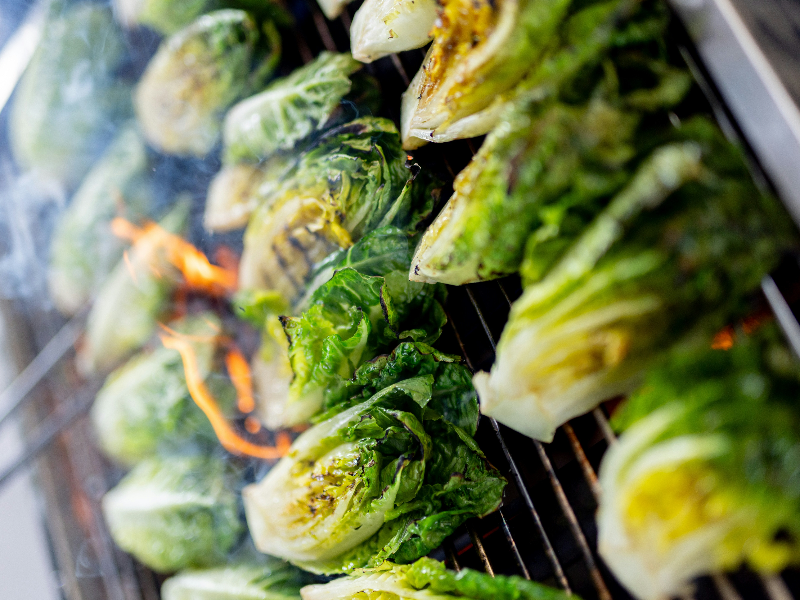
Romaine Calm and Grill On
Most of us know romaine lettuce as the crunchy hero of a Caesar salad, faithfully carrying
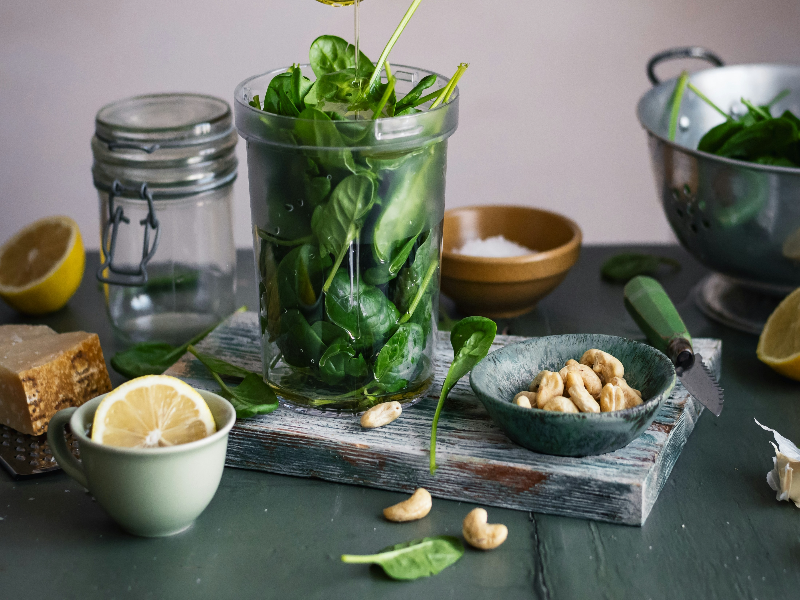
Dear Pesto, It’s Not You. It’s Me.
In July, a business trip took me to Baltimore and Washington, DC. From Baltimore’s Littl
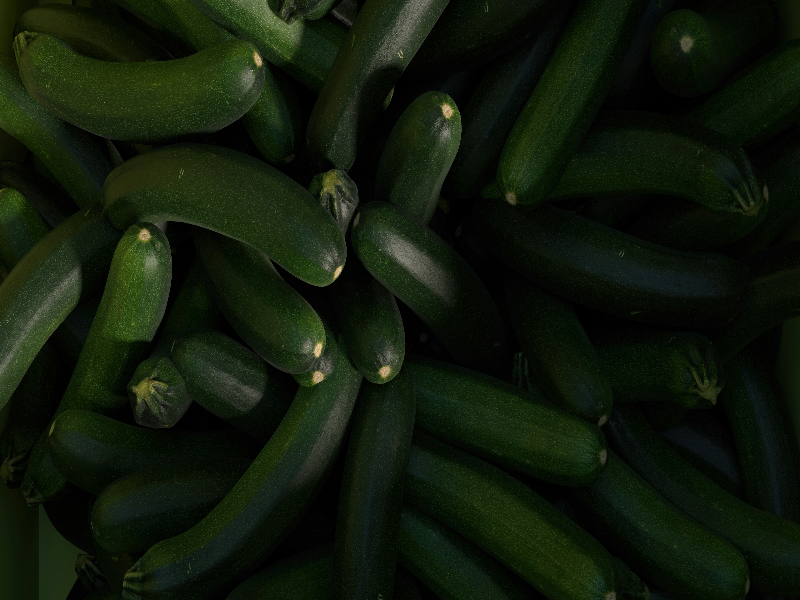
Zucchini: Nature’s Way of Testing Friendships
There are a few sure signs it’s summer in Tucson: triple-digit temperatures, monsoon clo