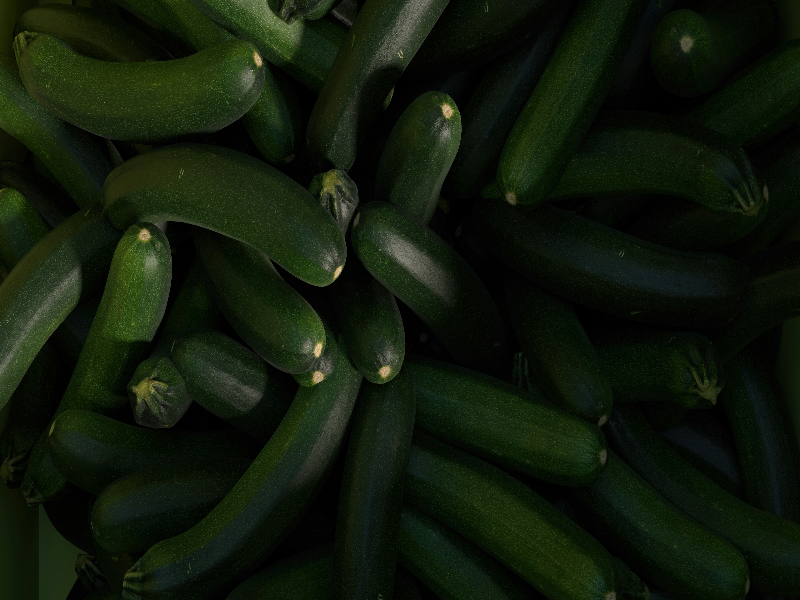
Zucchini: Nature’s Way of Testing Friendships
There are a few sure signs it’s summer in Tucson: triple-digit temperatures, monsoon clouds building on the horizon, and gardeners quietly looking for ways to get rid of extra zucchini.
One zucchini plant seems harmless enough. Then suddenly you’re harvesting squash by the armload, leaving bags on coworkers’ desks, and finding creative ways to work zucchini into everything from pasta to muffins.
Every gardener knows the phenomenon. Every non-gardener eventually becomes the recipient.
Despite its reputation for abundance, zucchini has earned its place in the kitchen. It’s versatile, affordable, nutritious, and happy to play a starring role or support other ingredients on the plate. Whether grilled, roasted, stuffed, sautéed, or baked into bread, zucchini rarely complains about the assignment.
Strongly associated with Italian cooking, zucchini’s story actually begins thousands of years ago in the Americas. Ancient peoples in what’s now Mexico and Central America cultivated squash long before Europeans ever crossed the Atlantic.
When squash eventually made its way to Europe, Italian farmers began developing the tender, green variety we now know as zucchini. The name comes from the Italian word zucchino, meaning “little squash.” In a delightful twist of culinary history, Americans adopted the Italian name, while many Europeans simply call it courgette.
In a culinary full-circle moment, the vegetable originated in the Americas, was refined in Italy, and then returned to become a staple of American gardens and kitchens.
Unlike winter squash with their armor-like exteriors, zucchini’s skin is tender enough to eat. No peeling required. The skin adds color, nutrients, and texture while saving valuable prep time.
Anything that reduces kitchen work without sacrificing flavor deserves a little appreciation.
Gardeners often joke that zucchini plants have only one speed: excessive.
Miss a harvest by a day or two and that perfectly sized zucchini can transform into something resembling a canoe. This prolific nature is exactly why zucchini has become the unofficial vegetable of neighborhood sharing and summer potlucks.
Smaller zucchini are generally sweeter and more tender. The giants are still useful, but they often contain larger seeds and have a firmer texture. Think of them as the overachievers of the garden: impressive, but sometimes a little harder to manage.
Zucchini may not be the most glamorous vegetable, but it might be one of the most dependable. From its ancient origins to its modern-day garden domination, this humble squash continues to find new ways onto our plates.
And if a neighbor shows up at your door carrying a bag of zucchini, just smile and accept it. Chances are you’ll be looking for someone to take yours next week.
Classes are back!
It’s been a long road getting here, and I couldn’t be more excited to finally say it: Flying Aprons Tucson classes are back!
Over the past year, I’ve missed every single one of you, and especially missed the incredible chefs who fill the kitchen with amazing food, laughter, creativity, and community. There’s something truly special about gathering in the kitchen, learning new skills, sharing stories, and savoring great food together.
We also have a wonderful new home at the GAP Ministries Kitchen. It’s gorgeous and has plenty of room to cook, learn, and create memories together. I’m deeply grateful to Chef John Hohn for saying yes. His generosity, talent, enthusiasm, and passion for food embodies everything that Flying Aprons Tucson is about.
So, who better to launch our return than Chef John himself? Whether you’ve been cooking with us for years or are joining us for the first time, this class promises to be a wonderful celebration of food, friendship, and new starts.
Monday, September 28, 5-7 p.m. Get ready to discover why birria has become one of the hottest food trends in America! What began as a beloved Mexican specialty has exploded in popularity thanks to its rich, savory flavors, crispy cheese-crusted tacos, and that irresistible consommé for dipping. From food trucks to social media feeds, birria has captured the hearts (and stomachs) of food lovers everywhere. The best part? With Chef John’s Birria Spice Bomb, creating authentic, flavor-packed dishes is easier than ever.
On the menu: Quesabirria chicken tacos with rich, flavorful consommé for dipping, freshly made corn tortillas, creamy rice and beans, calabacitas, and freshly made churros.
I can’t wait to see familiar faces, meet new friends, and get back to doing what we love most: cooking together.
Here’s to new beginnings, delicious meals, and many more Flying Aprons Tucson memories ahead. Let’s get cooking!
Wishing you joy in the kitchen,
Michele
Cinnamon Zucchini Bread
Yield: 8-10 servings
1½ cups zucchini, about 1 medium, grated
1¼ cups all-purpose unbleached flour
½ cup brown sugar, packed
¼ cup granulated sugar
1 teaspoon baking soda
½ teaspoon baking powder
½ teaspoon kosher salt
1 teaspoon ground cinnamon
¼ teaspoon ground nutmeg
2 large eggs
⅓ cup vegetable oil
¼ cup plain Greek yogurt or sour cream
1 teaspoon vanilla extract
1. Heat oven to 350°F. Grease a 9 x 5-inch loaf pan.
2. Grate the zucchini and lightly pat it with a paper towel. Do not squeeze out all the moisture; a little moisture helps keep the bread tender.
3. In a large bowl, whisk together flour, sugars, baking soda, baking powder, salt, cinnamon, and nutmeg.
4. In a separate bowl, whisk together eggs, oil, yogurt, and vanilla until smooth.
5. Add wet ingredients to the dry ingredients and stir just until combined.
6. Fold in zucchini. Don’t overmix.
7. Pour batter into loaf pan, smoothing the top.
8. Bake 55-65 minutes, or until a toothpick inserted in the center comes out clean or with a few moist crumbs.
9. Cool in the pan for 15 minutes, then remove loaf and cool completely on a wire. Store tightly wrapped at room temperature for up to 3 days, or freeze slices for up to 3 months.
Photo credit: Alexander R. Mils for Unsplash+
Zucchini: Nature’s Way of Testing Friendships
There are a few sure signs it’s summer in Tucson: triple-digit temperatures, monsoon clo

Be a Memorable Holiday Party Guest
This is the 2025 satirical Chaotic Culinary Edition. You want to be the guest everyone rem

Step Aside, Turkey
Thanksgiving dinner is the Oscars of food, and while the turkey thinks it’s the Best Pic