Gnudi: Soft Pillows of Flavor
I love dishes that tell a story.
In the rolling hills of Tuscany, where olive groves meet sun-drenched vineyards, a humble dumpling has quietly held its place at the Italian table for centuries.
Gnudi, meaning “naked” in Tuscan dialect, is ravioli stripped of its pasta shell. Just the pillowy filling, no frills. And it’s glorious.
Unlike gnocchi, which rely on potato, gnudi are lighter and more delicate.
It’s a celebration of simplicity done right. They evoke the flavors of the countryside, Florence, and Siena, where home cooks relied on fresh sheep’s milk ricotta and wild greens are abundant. Traditionally, they were a way to stretch ingredients and feed a family with what was on hand—no pasta dough required.
In Siena, they’re often called malfatti, meaning “badly made,” a playful nod to their rustic, imperfect appearance. But don’t be fooled, these dumplings are a testament to the Tuscan philosophy of cucina povera: making something extraordinary from humble ingredients.
Its lineage likely dates to the Middle Ages, when dumplings of various kinds were common across Europe. Over time, the dish became a regional specialty, often appearing during spring and early summer when fresh greens were plentiful.
By the Renaissance, it was a staple in Tuscan households, passed down through generations. Recipes varied by village and family, with some adding nutmeg, lemon zest, or pecorino to the mix.
The dish remained largely unknown outside Italy until the early 2000s, thanks in large part to its appearance on menus at high-profile restaurants in the US and the UK. One of the most influential moments came when chef April Bloomfield introduced gnudi at The Spotted Pig in New York City. Her version, served with a brown butter and sage sauce, captivated diners and food critics alike, sparking a wave of interest in the dish.
Its rise in popularity coincided with the broader culinary movement embracing traditional, ingredient-driven dishes with artisanal flair, making gnudi a perfect fit for modern farm-to-table and seasonal cooking trends.
Gnudi speaks to the heart of Italian cooking: seasonal, soulful, and made with love. And here in the Sonoran Desert, today’s recipe gives it a local twist with sautéed Tucson greens, and a dusting of mesquite-smoked salt. It’s Italy meets Arizona in one dreamy bite. And, best of all, no oven required!
Wishing you joy in the kitchen,
Michele
Sonoran-Tuscan Gnudi with Mesquite Brown Butter & Chile-Dusted Greens
Yield: 4 servings
12 oz. whole-milk ricotta
½ cup finely grated Parmesan cheese
½ cup unbleached all-purpose flour
1 tablespoon panko breadcrumbs
2 large egg whites, lightly beaten
¾ teaspoon mesquite-smoked salt or table salt
½ teaspoon freshly ground black pepper
¼ teaspoon fresh lemon zest
10 oz. Tucson greens, like amaranth, purslane, or spinach or frozen spinach (If using frozen spinach, thaw and squeeze out moisture in hands.)
Brown Butter Sage Sauce
4 tablespoons unsalted butter
1 teaspoon mesquite flour, optional, for smoky depth
6–8 fresh sage leaves
Zest of 1 lemon
Garnish
Chile flakes
Toasted pepitas
Parmesan cheese
Sage leaves
Directions
1. Line a rimmed baking sheet with double layer of paper towels. Spread ricotta in even layer over towels; set aside and let sit for 10 minutes. This will remove excess moisture.
2. In a large bowl, add flour, Parmesan, panko, salt, pepper, and lemon zest and stir to combine. Process greens or spinach in food processor until finely chopped, about 30 seconds, scraping down sides of bowl as needed. Transfer greens or spinach to bowl with flour mixture.
3. Grasp paper towels and fold ricotta in half; peel back towels. Rotate sheet 90 degrees and repeat folding and peeling 2 more times to consolidate ricotta into smaller mass. Using paper towels as sling, transfer ricotta to bowl with greens mixture. Discard paper towels but don’t wash sheet pan. Add egg whites to bowl and mix gently until well combined.
4. Transfer heaping teaspoons of dough to empty sheet; there should be 45-50 portions. Using dry hands, gently roll each portion into 1-inch ball.
5. Make sauce. In a small saucepan, melt butter over medium heat. Add mesquite flour and sage leaves. Cook until butter browns and smells nutty. Add lemon zest and swirl.
6. In a Dutch oven, bring 1 quart water to boil. Add 1 ½ teaspoons table salt. Using spider skimmer or slotted spoon, transfer all gnudi to water. Return water to gentle simmer. Cook, adjusting heat to maintain gentle simmer, for 5 minutes, starting timer once water has returned to simmer. To confirm doneness, cut 1 dumpling in half; center should be firm.
7. Warm sauce if necessary while gnudi simmer. Divide sauce evenly among 4 bowls. Using spider skimmer or slotted spoon, remove gnudi from pot, drain well, and place gnudi on top of sauce. For a Sonoran touch, garnish with chile flakes, toasted pepitas, Parmesan, and chopped sage leaves. Serve immediately.
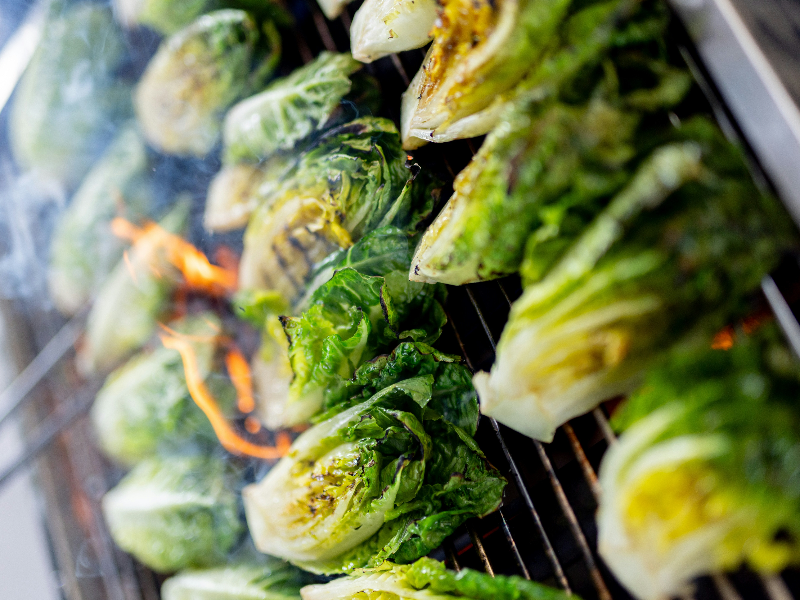
Romaine Calm and Grill On
Most of us know romaine lettuce as the crunchy hero of a Caesar salad, faithfully carrying
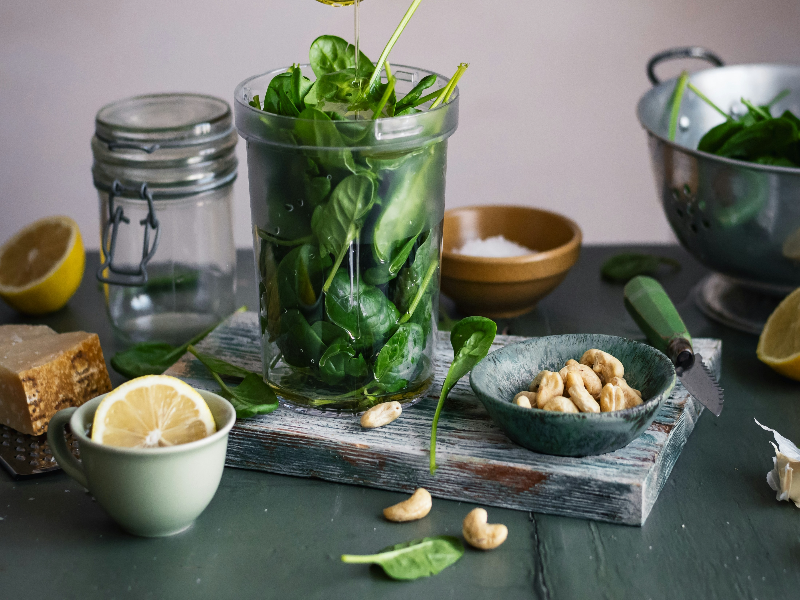
Dear Pesto, It’s Not You. It’s Me.
In July, a business trip took me to Baltimore and Washington, DC. From Baltimore’s Littl
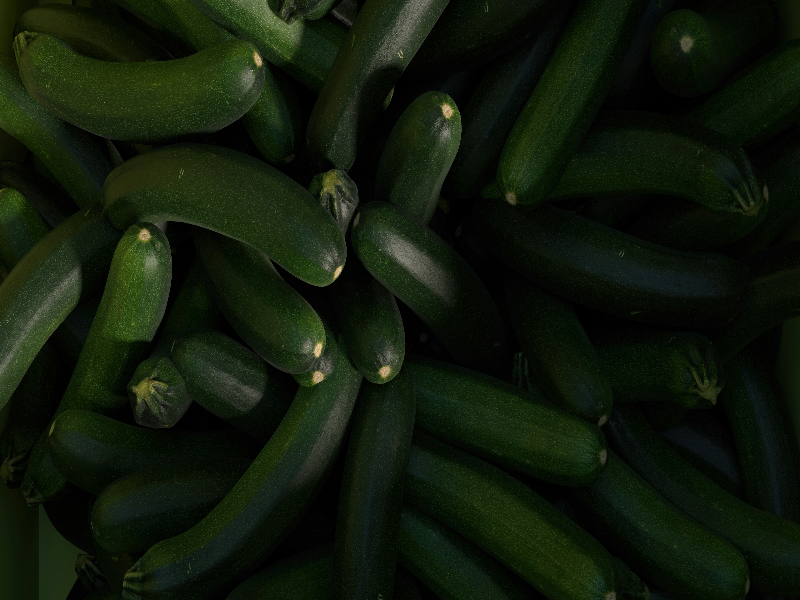
Zucchini: Nature’s Way of Testing Friendships
There are a few sure signs it’s summer in Tucson: triple-digit temperatures, monsoon clo