Horiatiki: Sun-Drenched Simplicity
Strolling through the gift area at the Blue Willow restaurant after dinner with a friend, I spy one of the funniest and truest saying on a made in the USA tea towel I had to have: “I wish I was the person I thought I could be when I bought all this produce.”
So, if you’re like me, here you go.
In the Mediterranean, Horiatiki isn’t just a refreshingly simple salad—it’s a love letter to ripe produce, briny bites, and communal summer meals under olive trees.
Here in Tucson, we know a thing or two about sunshine, seasonal bounty, and savoring the moment. What happens when Greek tradition meets Sonoran terroir? A salad that sings in two languages.
Also known as Greek village salad, its roots as a peasant dish trace to the country’s rural countryside, born from necessity and seasonality. Farmers and laborers would gather what was fresh and abundant—sun-ripened produce of juicy tomatoes, crisp cucumbers, red onions, briny olives, and creamy feta—and toss them together with a bold blend of olive oil, red wine vinegar, oregano, salt, and pepper.
It wasn’t just a meal; it was a reflection of the land, climate, and rhythm of daily life.
The salad became popular in the early 20th century, especially during Greece’s tourism boom in the 1960s, when it was served as a rustic, authentic taste of the Mediterranean.
Here’s the twist: Lettuce is a winter crop in Greece, while Horiatiki is a summer salad, that’s why it’s traditionally never included. Lettuce would not only be out of season but would dilute the robust textures and flavors defining the dish.
Modern versions outside Greece, especially here in the U.S., often add lettuce, but that’s more a fusion adaptation than a nod to tradition.
In Tucson, where our culinary calendar also dances to the rhythm of sun and soil, the philosophy behind traditional Horiatiki feels right at home.
With the goal of celebrating food’s ability to bridge cultures, just as Greek villagers crafted their iconic summer salad from whatever was ripe in the moment, Tucson’s growers offer a vibrant palette of produce—colorful heirloom tomatoes bursting with desert sweetness, crunchy Armenian cucumbers from backyard plots, sweet green, red, and purple bell peppers, fiery Hatch chiles, herbs like oregano, basil, and parsley that thrive in Tucson gardens, prickly pear fruit for vinaigrettes or garnish, as well as pomegranate seeds, add depth to this classic.
If you’re up for a road trip, check out Fiore di Capra, a goat dairy and creamery in Pomerene, near Benson, about an hour southeast of Tucson, that makes beautiful farmstead cheeses, including feta, or available through a subscription to Tucson’s Community Supported Agriculture.
By echoing the seasonality and simplicity of Horiatiki, we not only honor its roots, but celebrate Tucson’s own terroir in every delicious bite.
What’s the secret? Ingredient integrity. There’s no hiding behind croutons or dressings here!
Wishing you joy in the kitchen,
Michele
Sonoran Horiatiki Salad with Prickly Pear Vinaigrette
Yield: 4 servings
2 cups cherry tomatoes, halved, try local teardrop or sun gold
1 large cucumber, sliced into half moons
1 bell pepper, thinly sliced
½ small red onion, thinly sliced
⅓ cup Kalamata olives, pitted
8 oz. block-style feta cheese, cut into 4 large triangles
Optional local flourish: few slices of roasted Hatch chile, pomegranate seeds, or jicama strips
Prickly Pear Vinaigrette
3 tablespoons prickly pear syrup
2 tablespoons red wine vinegar
1 teaspoon Dijon mustard
½ teaspoon dried oregano, Greek variety preferred
⅓ cup extra virgin olive oil
Kosher salt to taste
Freshly ground black pepper to taste
1. In a small bowl, measuring cup, or Mason jar, combine prickly pear syrup, vinegar, mustard, and oregano. Slowly whisk or shake in olive oil until emulsified. Season with salt and pepper.
2. In a serving dish, layer tomatoes, cucumbers, bell peppers, red onion, and olives. Top each salad with feta triangle, and if using, Hatch chile, pomegranate seeds, or jicama strips. Spoon vinaigrette over salad just before serving.
Photo credit: The Andras Barta from Pixabay
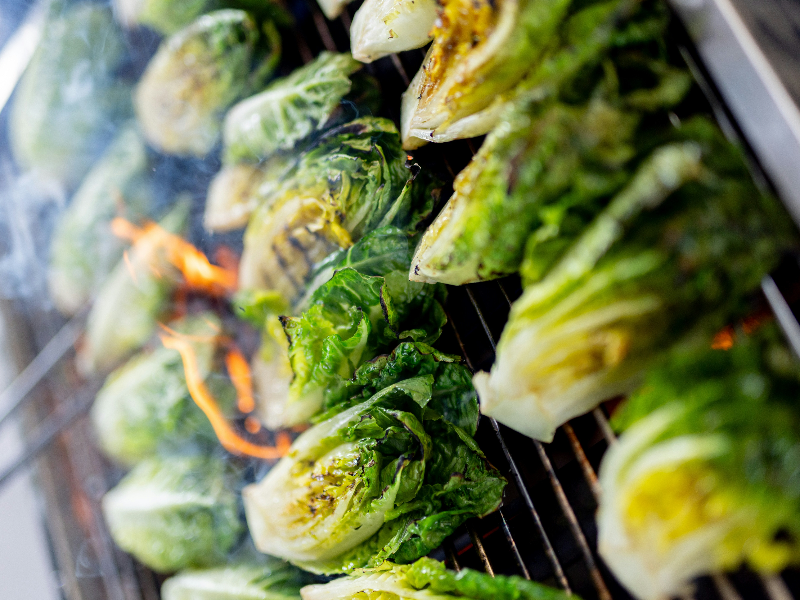
Romaine Calm and Grill On
Most of us know romaine lettuce as the crunchy hero of a Caesar salad, faithfully carrying
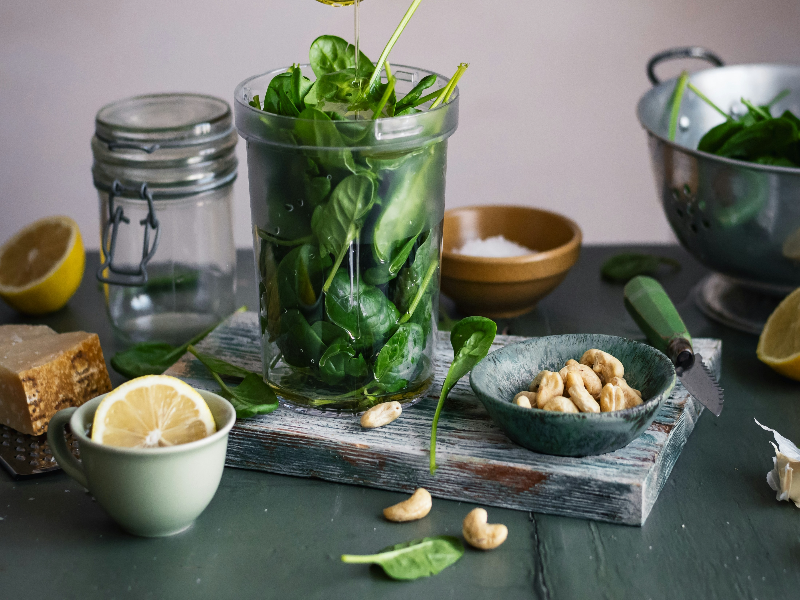
Dear Pesto, It’s Not You. It’s Me.
In July, a business trip took me to Baltimore and Washington, DC. From Baltimore’s Littl
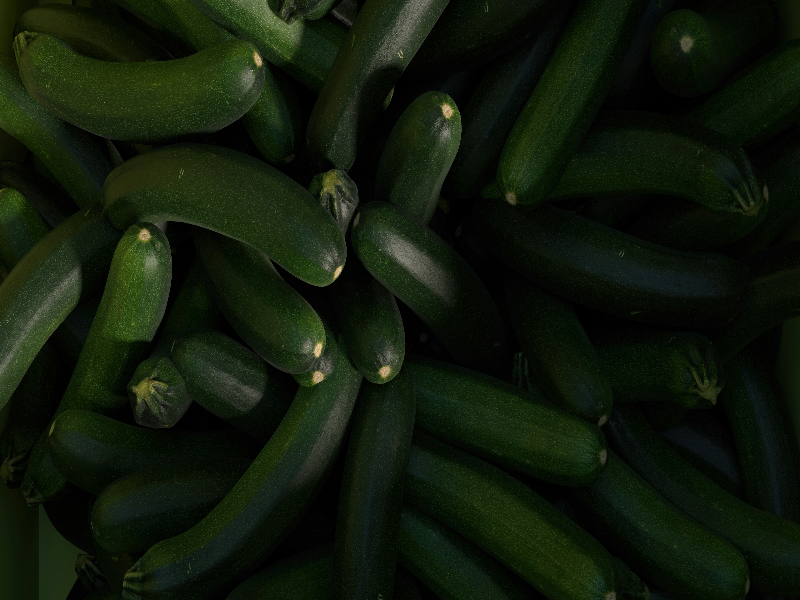
Zucchini: Nature’s Way of Testing Friendships
There are a few sure signs it’s summer in Tucson: triple-digit temperatures, monsoon clo